
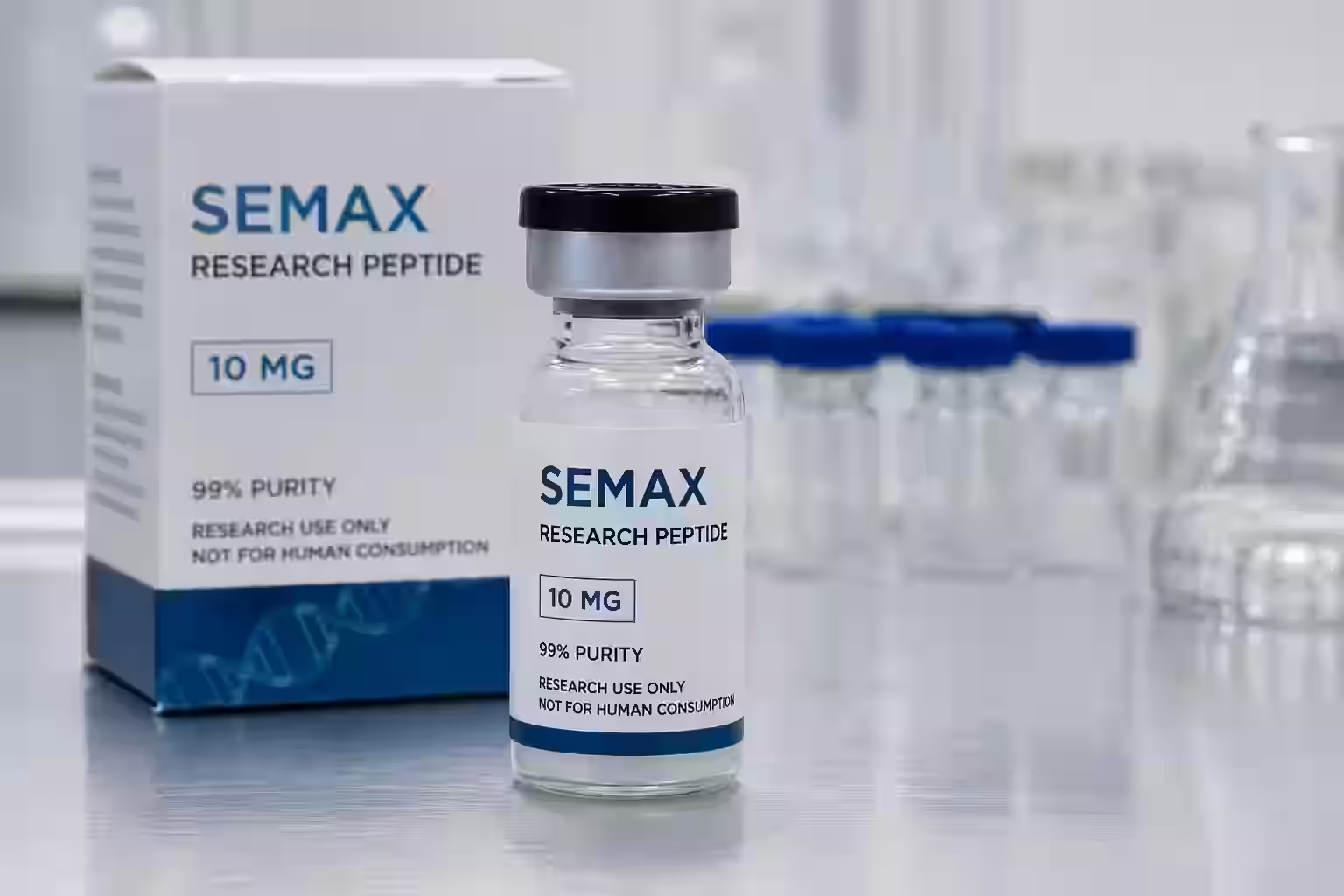
Semax Research Peptide
Semax research peptide is a synthetic peptide that has attracted interest in scientific research involving neuropeptides, cognitive function, neurotrophic signaling, and stress-response pathways. As a research compound, Semax is commonly discussed in the context of laboratory studies examining how short peptide sequences may interact with biological signaling systems. Semax — Certificate of Analysis
For researchers looking for Semax research peptide, selecting a product with clear labeling, appropriate documentation, and transparent quality information is essential. This page provides an overview of Semax, its research applications, quality considerations, and important handling information. GHK-CU 100mg
What Is Semax Research Peptide?
Semax is a synthetic peptide derived from a sequence related to adrenocorticotropic hormone (ACTH). Unlike full-length ACTH, Semax is a much shorter peptide and has been investigated for its potential effects on neurological and neuroprotective pathways.
Research surrounding Semax has examined areas including:
- Neuropeptide signaling
- Neurotrophic factors
- Oxidative stress pathways
- Inflammatory signaling
- Cognitive and neurological research
- Stress-response mechanisms
- Brain-derived neurotrophic factor (BDNF)-related research
Semax should be distinguished from conventional nutritional supplements and pharmaceutical products. Research-grade Semax is intended for laboratory and scientific research rather than self-administration. semax and selank Research Peptide
Semax Research Applications
Semax has been investigated in preclinical research because of its interaction with several biological pathways associated with the nervous system.
Neuroprotective Research
One area of interest is how Semax may influence pathways associated with neuronal protection. Researchers have examined peptide signaling in experimental models involving oxidative stress, inflammation, and cellular responses. Selank Nasal Spray – Research Peptide
Cognitive Research
Se-max has also been studied in experimental research involving learning, memory, and other cognitive processes. These studies make Se-max an interesting compound for researchers investigating peptide-based mechanisms within the central nervous system.
Neurotrophic Signaling
Research has explored relationships between Semax and neurotrophic signaling, including pathways involving brain-derived neurotrophic factor (BDNF). Understanding these pathways may help researchers investigate how peptide compounds influence neuronal signaling and adaptation. what does selank do
Stress and Inflammation Research
Another area of investigation involves stress-related and inflammatory pathways. Laboratory research can help characterize how Se-max interacts with biological systems under controlled experimental conditions. BPC-157 vs GHK-Cu
Semax Peptide Sequence and Molecular Information
Se-max is a short synthetic peptide consisting of seven amino acids. Its commonly reported sequence is:
Met-Glu-His-Phe-Pro-Gly-Pro
The peptide’s relatively small molecular structure makes it useful for laboratory research investigating peptide-mediated biological activity.
Researchers should verify the specific molecular weight, purity, sequence, formulation, and analytical documentation supplied with a particular Semax research peptide batch.
Se-max Research Peptide Quality
When purchasing Se-max for laboratory research, product quality and documentation should be important considerations.
Look for:
- Clearly identified peptide sequence
- Stated purity
- Batch or lot number
- Certificate of Analysis (COA)
- Appropriate analytical testing
- Transparent storage information
- Proper product labeling
- Reliable packaging
- Traceable manufacturing information
A COA can provide useful information about the tested batch and may include analytical results such as purity testing and identification. Selank
Why Choose High-Purity Se-max for Research?
Peptide purity can be particularly important in laboratory experiments because impurities or degradation products may introduce unwanted variables into research results.
High-quality research peptide suppliers should provide appropriate documentation so researchers can evaluate the identity and quality of the material before incorporating it into experimental protocols.
When comparing Se-max products, avoid evaluating products based solely on price. Documentation, analytical testing, purity, and batch traceability are important factors when selecting research peptides.
Se-max Storage and Handling
Synthetic peptides can be sensitive to environmental conditions such as temperature, moisture, light, and repeated exposure to air.
Researchers should always follow the manufacturer’s storage and handling instructions supplied with the specific product. Appropriate laboratory practices may include minimizing unnecessary exposure to heat, moisture, and repeated freeze-thaw cycles.
Storage requirements can vary depending on whether the peptide is supplied as a dry powder or in another formulation, so the product-specific documentation should take priority.
Se-max Research Peptide for Laboratory Research
Se-max provides researchers with a useful model compound for investigating short peptide sequences and their interactions with neurological and cellular signaling pathways.
Potential areas of laboratory investigation include:
- Peptide-neurotransmitter interactions
- Neurotrophic signaling
- Cellular stress responses
- Oxidative stress
- Inflammatory pathways
- Neuronal signaling
- Cognitive research models
- Structure-function relationships
Researchers should design experiments according to appropriate institutional procedures, applicable regulations, and validated laboratory protocols.
Se-max vs. Other Research Peptides
Se-max is one of many synthetic peptides investigated in neuroscience and biochemical research. Its short amino-acid sequence and research history distinguish it from longer peptides and proteins.
When comparing Se-max with another research peptide, consider:
| Research Factor | What to Evaluate |
|---|---|
| Peptide identity | Confirm sequence and compound identity |
| Purity | Review reported analytical purity |
| Documentation | Check for a batch-specific COA |
| Form | Determine whether the material is supplied as a dry peptide or formulation |
| Storage | Follow product-specific storage requirements |
| Intended use | Confirm that the material is appropriate for laboratory research |
Reviews
There are no reviews yet.