
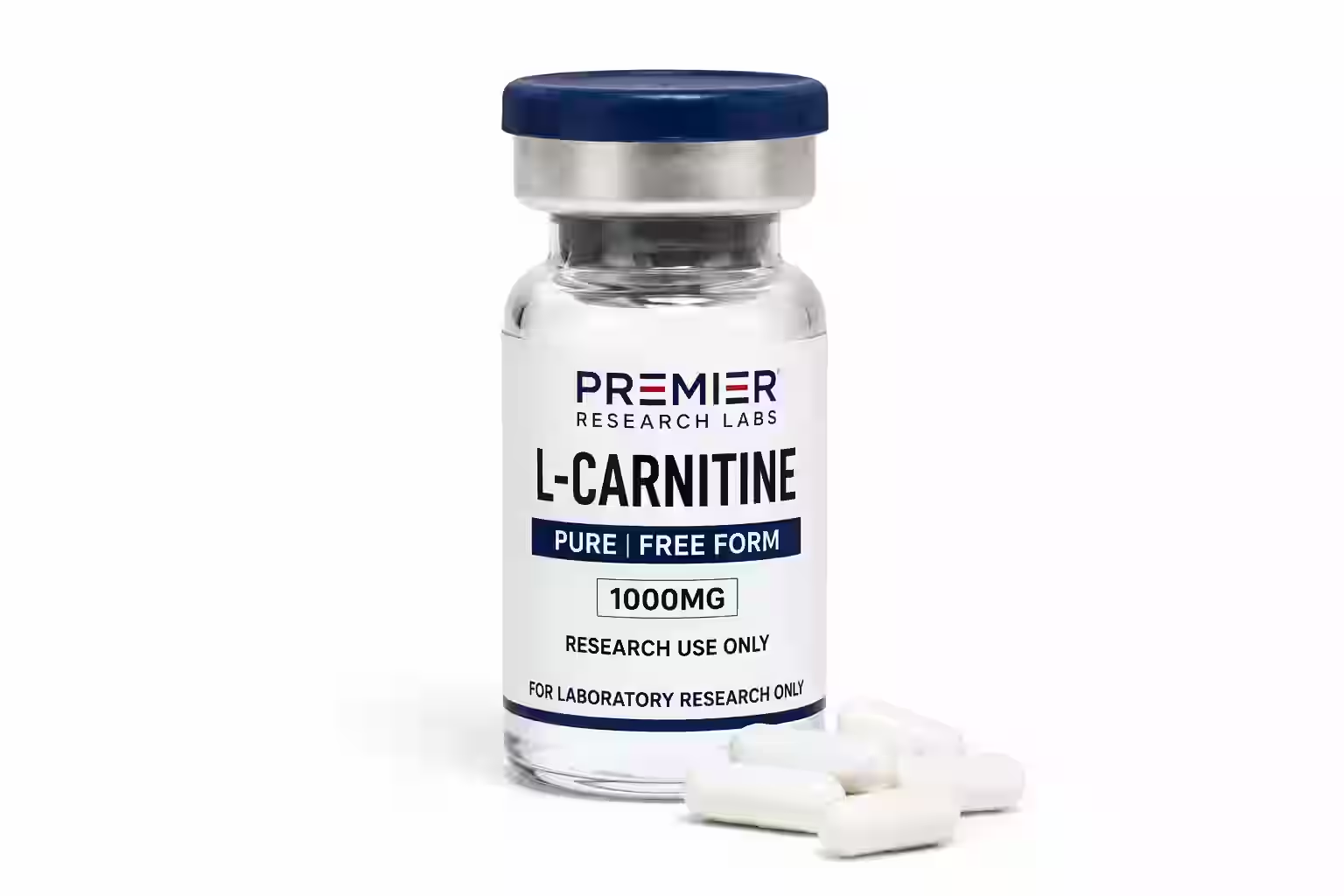
Buy L-Carnitine: What It Is, Benefits, Uses, and Research
Buy L-carnitine is a naturally occurring compound involved in energy metabolism. It helps transport long-chain fatty acids into mitochondria, where they can be used in cellular energy production. Because of its role in fat metabolism, buy L-carnitine is widely researched in areas including exercise performance, energy production, metabolic health, and physical recovery.
If you are researching buy L-carnitine, understanding how it works, its potential benefits, and the difference between established uses and ongoing research can help you make sense of the available information. cartalax peptide
What Is buy L-Carnitine?
Buy L-carnitine is a compound derived from the amino acids lysine and methionine. The body can produce L-carnitine naturally, and it is also obtained through dietary sources, particularly animal-based foods. semaglutide
Most buy L-carnitine is stored in skeletal and cardiac muscle, where it plays an important role in fatty-acid metabolism.
Its primary biological function is to help transport long-chain fatty acids into the mitochondria. The mitochondria are often described as the energy-producing structures of cells because they convert nutrients into usable cellular energy.
How Does buy L-Carnitine Work?
Buy L-carnitine is involved in the transport of fatty acids across the mitochondrial membrane.
In simplified terms, the process works like this:
- Fatty acids are released for energy metabolism.
- Long-chain fatty acids are converted into forms that can interact with the carnitine transport system.
- L-carnitine helps transport these fatty-acid molecules into mitochondria.
- The fatty acids can then undergo oxidation to contribute to energy production.
This role is particularly important in tissues with high energy demands, including skeletal muscle and the heart.
Buy L-Carnitine Benefits
Buy L-carnitine has been studied for a variety of potential applications. However, the strength of evidence varies depending on the specific use, population, and formulation.
Supports Fatty-Acid Metabolism
One of the best-established functions of L-carnitine is its involvement in fatty-acid transport and oxidation.
This is why L-carnitine is frequently discussed in research concerning energy metabolism and body composition.
However, taking additional L-carnitine does not automatically mean that the body will burn substantially more fat. The effects of supplementation can depend on baseline carnitine status, diet, exercise, and other individual factors. how much bpc 157 peptide per day
Exercise and Physical Performance Research
L-carnitine has been investigated for its potential effects on exercise performance, recovery, muscle metabolism, and exercise-induced stress.
Research results have been mixed, with some studies reporting potential benefits under particular conditions while others find limited effects.
Factors such as training status, supplementation duration, and the individual’s baseline carnitine levels may influence outcomes.
Muscle Recovery
Another area of research involves muscle soreness and recovery following physical activity.
Some studies have investigated whether L-carnitine supplementation may influence markers associated with exercise-related muscle damage or recovery. Results remain dependent on the population and study design.
Energy Metabolism
Because carnitine is directly involved in mitochondrial fatty-acid metabolism, it has an important role in cellular energy production.
Researchers have also studied L-carnitine in conditions where carnitine metabolism or mitochondrial energy production may be altered.
L-Carnitine and Weight Management
L-carnitine is often marketed in connection with fat burning and weight loss.
Its biological role in fatty-acid transport provides a reasonable basis for studying it in this context. However, the body’s ability to transport fatty acids into mitochondria is only one part of the overall process of losing body fat.
Clinical research on L-carnitine and body weight has produced variable results. Any changes in body composition are likely to depend on factors such as:
- Overall calorie intake
- Physical activity
- Diet composition
- Training status
- Baseline carnitine levels
- Duration of supplementation
L-carnitine should therefore not be viewed as a standalone substitute for nutrition and physical activity. do you inject ace-031 peptide every day
L-Carnitine and Exercise
Athletes and physically active individuals have shown particular interest in L-carnitine because of its relationship with muscle energy metabolism.
Researchers have examined potential effects on:
- Exercise performance
- Endurance
- Muscle metabolism
- Recovery
- Exercise-related soreness
- Oxidative stress
The results are not uniform across studies, so claims about performance benefits should be evaluated according to the specific research population and protocol.
Different Forms of L-Carnitine
Several forms of carnitine are available, including:
L-Carnitine
This is the basic form of carnitine and is commonly used in nutritional and research contexts.
Acetyl-L-Carnitine
Acetyl-L-carnitine is an acetylated form of carnitine that has been studied particularly in relation to neurological and metabolic research.
L-Carnitine L-Tartrate
This form combines L-carnitine with tartaric acid and has been studied extensively in sports and exercise research.
Propionyl-L-Carnitine
Propionyl-L-carnitine has been investigated in cardiovascular and peripheral circulation research.
Although these compounds are related, they should not automatically be considered interchangeable because their properties and research applications differ.
How Much L-Carnitine Do You Need?
There is no single L-carnitine dosage that applies to every person or every research application.
Supplementation protocols vary depending on the form of L-carnitine, intended purpose, study design, and individual circumstances.
Anyone considering L-carnitine supplementation should follow the directions for the specific product and consult a qualified healthcare professional when appropriate.
Is L-Carnitine Safe?
L-carnitine is naturally produced by the body and has been widely studied. Nevertheless, supplementation can produce side effects in some people.
Potential effects reported with higher supplemental intake can include gastrointestinal symptoms such as:
- Nausea
- Abdominal discomfort
- Diarrhea
- Stomach cramps
L-carnitine may also interact with certain medications or be inappropriate for some individuals. People with existing medical conditions or those taking prescription medications should speak with a healthcare professional before supplementation.
L-Carnitine Frequently Asked Questions
What does L-carnitine do?
L-carnitine helps transport long-chain fatty acids into mitochondria, where they can undergo oxidation and contribute to cellular energy production.
Does L-carnitine burn fat?
L-carnitine plays an important role in fatty-acid metabolism, but supplementation does not necessarily produce substantial fat loss on its own. Research on weight and body-composition effects has produced mixed results.
Is L-carnitine an amino acid?
L-carnitine is an amino-acid-derived compound rather than a standard protein-building amino acid. The body synthesizes it primarily from lysine and methionine.
What is L-carnitine used for?
L-carnitine is used and studied in connection with carnitine deficiency and various areas of energy and metabolic research. It is also commonly investigated in sports nutrition and exercise recovery.
Is L-carnitine the same as acetyl-L-carnitine?
No. Acetyl-L-carnitine is an acetylated form of L-carnitine with somewhat different biological properties and research applications.

Reviews
There are no reviews yet.