What Is KPV Peptide? A Complete Guide to KPV Peptide
what is kpv peptide is a short peptide fragment derived from α-melanocyte-stimulating hormone (α-MSH). The three-amino-acid sequence—Lys-Pro-Val (KPV)—has attracted scientific interest because of its potential interactions with inflammatory and immune signaling pathways. kpv peptide
People searching for what is KPV peptide are often interested in understanding what KPV is, how it is studied, and what current research suggests about its biological activity. This guide provides an overview of KPV peptide research, its proposed mechanisms, and important considerations surrounding its use. ACE-031
What Is KPV Peptide?
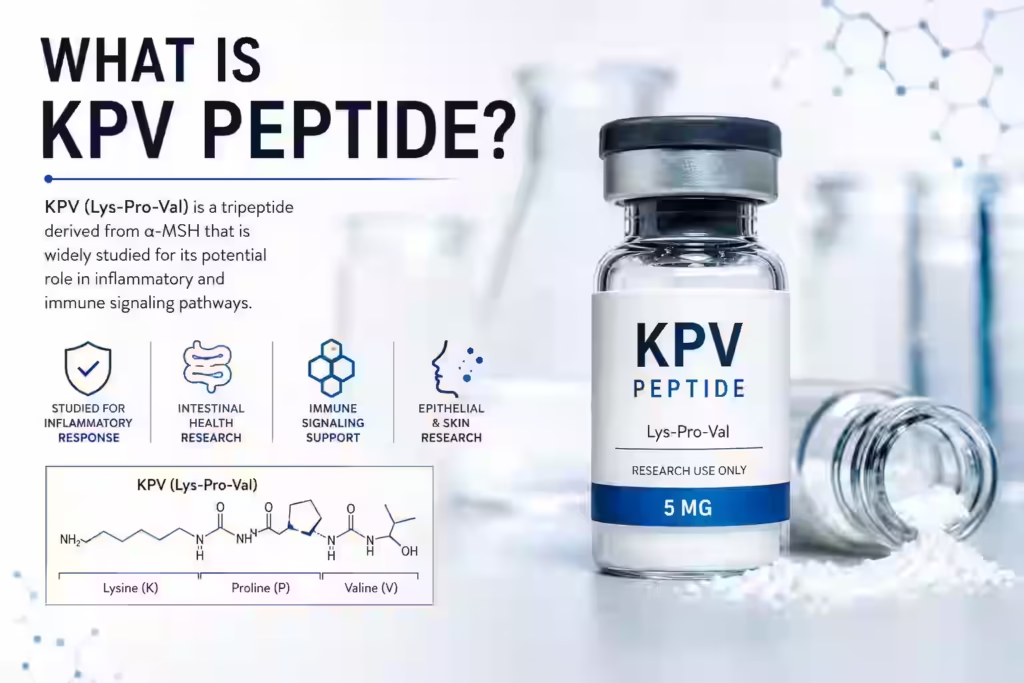
KPV stands for Lys-Pro-Val, a naturally occurring tripeptide sequence associated with the C-terminal portion of α-MSH.
α-MSH is a naturally occurring peptide involved in several physiological processes. Research has examined portions of the α-MSH molecule, including KPV, to better understand how these smaller peptide fragments may influence inflammatory signaling.
Unlike larger peptides, KPV consists of only three amino acids:
- Lysine (Lys/K)
- Proline (Pro/P)
- Valine (Val/V)
Because of its small molecular structure, what is kpv peptide has become a subject of laboratory research involving inflammatory pathways, epithelial tissues, and immune responses. Bpc-157 + TB-500
How Does KPV Peptide Work?
Research suggests that what is kpv peptide may influence inflammatory signaling through mechanisms associated with α-MSH-related pathways.
One area of investigation is the regulation of inflammatory mediators and transcription pathways involved in cellular immune responses. Laboratory studies have explored whether KPV can affect signaling associated with NF-κB, a transcription factor involved in regulating inflammatory responses.
KPV research has also investigated interactions involving intestinal and epithelial tissues. These studies are primarily experimental, meaning that findings from laboratory models should not automatically be interpreted as demonstrated effects in humans. TB-500
Why Is KPV Peptide Being Studied?
KPV has generated interest because inflammation plays a role in numerous biological processes.
Researchers have investigated KPV in several areas, including:
Inflammatory Signaling
Preclinical research has examined whether KPV can influence cellular pathways associated with inflammatory responses.
Intestinal Research
KPV has been investigated in experimental models involving intestinal inflammation and epithelial function. This research has contributed to interest in the peptide as a potential subject for future gastrointestinal studies.
Skin and Epithelial Research
Because α-MSH-related pathways are involved in biological processes affecting epithelial tissues, KPV has also been investigated in experimental skin and cellular models. bpc 157 peptide
Immune Signaling
Researchers continue to study how small peptide fragments such as KPV interact with cellular signaling pathways involved in immune and inflammatory responses.
KPV Peptide vs. α-MSH
KPV is not the same thing as full-length α-MSH.
α-MSH is a larger peptide hormone containing multiple amino acids, while KPV is a three-amino-acid sequence derived from its C-terminal region.
This distinction is important when evaluating scientific research. Findings involving α-MSH should not automatically be attributed to KPV, and vice versa.
Is KPV Peptide FDA Approved?
KPV peptide should not be confused with an FDA-approved medication.
KPV is primarily discussed in the context of preclinical and laboratory research. Research compounds are not necessarily evaluated or approved for treating, preventing, or diagnosing human disease.
Anyone considering a peptide product for personal use should speak with a qualified healthcare professional and verify the regulatory status, quality, and intended use of the product.
Is KPV Peptide Safe?
The safety profile of KPV in humans has not been established to the same extent as approved pharmaceutical products.
Much of the interest surrounding KPV comes from laboratory and animal research rather than large, well-controlled human clinical trials. Therefore, claims about specific health benefits, optimal dosing, long-term safety, or therapeutic effectiveness should be treated cautiously.
Research-grade peptide products may also differ substantially in purity, formulation, sterility, and manufacturing quality. tirzepatide
KPV Peptide Research
Scientific interest in KPV comes largely from experimental studies investigating how α-MSH-derived peptide sequences interact with inflammatory and cellular pathways.
Importantly, preclinical research is not equivalent to clinical evidence. A biological effect observed in a laboratory model does not necessarily mean that the same effect occurs in humans.
As research continues, future clinical studies may help clarify KPV’s pharmacology, safety profile, and potential applications. semaglutide
Frequently Asked Questions About KPV Peptide
What does KPV stand for?
KPV stands for Lys-Pro-Val, the three-amino-acid sequence lysine, proline, and valine.
What is KPV peptide derived from?
KPV is associated with the C-terminal portion of α-melanocyte-stimulating hormone (α-MSH).
What is KPV peptide used for?
KPV is primarily discussed as a research compound. Laboratory studies have investigated its potential interactions with inflammatory and immune signaling pathways, but this research does not establish KPV as an approved treatment for medical conditions.
Is KPV a hormone?
KPV is a short peptide sequence derived from α-MSH rather than a complete hormone like α-MSH itself.
Is KPV peptide approved for human use?
KPV is not an FDA-approved drug for treating or preventing disease. Its status and permitted uses can vary by jurisdiction and product.
How is KPV peptide studied?
Researchers may investigate KPV using biochemical experiments, cell-based models, and animal studies to evaluate its biological activity and potential mechanisms.