
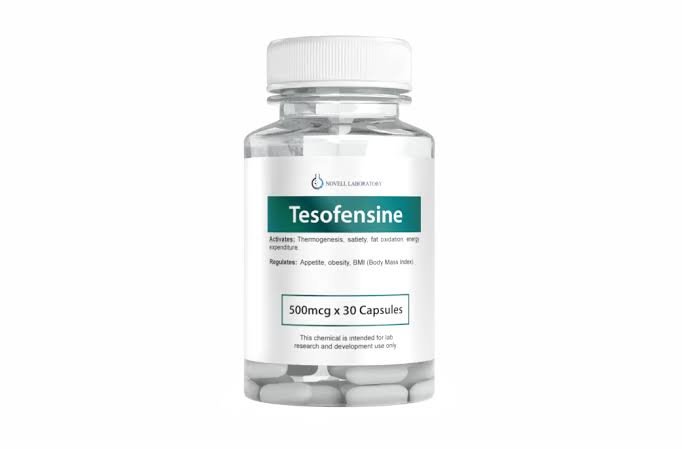
Tesofensine Peptide: What It Is, How It Works, Benefits & Research
Tesofensine Peptide is an experimental small-molecule drug compound that has been investigated primarily for its potential effects on appetite and body weight. It works by inhibiting the presynaptic reuptake of three neurotransmitters: dopamine, norepinephrine, and serotonin. ACE-031
Because of its strong effects on appetite and weight in clinical research, Tesofensine Peptide has attracted significant interest in obesity and metabolic research. GHK-CU 100mg
This product page provides an informational overview of Tesofensine Peptide, including its mechanism of action, research findings, potential applications, and safety considerations. Glow Blend (TB 10mg + BPC 10mg + GHK 50mg)
Important: Tesofensine is an investigational compound and is not an FDA-approved peptide or established prescription treatment for general weight loss.
What Is Tesofensine?
Tesofensine, also known as NS2330, is a synthetic small molecule originally investigated for neurological conditions.
During early development, researchers noticed an unexpected effect: participants receiving tesofensine experienced significant weight loss. This observation led researchers to investigate the compound specifically for obesity and weight management.
Tesofensine works primarily by inhibiting the reuptake of:
- Dopamine
- Norepinephrine
- Serotonin
These neurotransmitters are involved in appetite, satiety, motivation, reward, and other neurological processes.
Is Tesofensine a Peptide?
No.
Tesofensine is a small-molecule monoamine reuptake inhibitor, not a peptide.
The term “tesofensine peptide” is nevertheless frequently used in online searches because tesofensine is sometimes marketed alongside research peptides and other experimental compounds. what does selank do
For scientific accuracy, it is better to refer to it simply as tesofensine or the tesofensine research compound.
How Does Tesofensine Peptide Work?
Tesofensine Peptide primary mechanism involves blocking the presynaptic reuptake of dopamine, norepinephrine, and serotonin.
In simplified terms:
Tesofensine → inhibits monoamine reuptake → increases neurotransmitter signaling → influences appetite and satiety
Researchers believe that its effects on appetite and food intake are an important component of its observed weight-loss effects.
A controlled human study found that tesofensine increased feelings of satiety and fullness while reducing prospective food intake. The study also observed an increase in fat oxidation.
The precise mechanisms responsible for tesofensine-associated weight loss remain an area of research. what does 5 amino 1mq do
Potential Tesofensine Benefits
Clinical research has investigated tesofensine primarily in relation to body weight and appetite regulation.
Potential effects observed in research include:
- Reduced body weight
- Reduced body fat
- Reduced waist circumference
- Reduced appetite
- Increased satiety
- Increased feelings of fullness
- Changes in fat oxidation
- Potential improvements in certain metabolic parameters
These findings come from clinical studies and should not be interpreted as proof that tesofensine is an approved weight-loss medication. What Does Ipamorelin Do?
1. Weight-Loss Research
Weight loss is the primary reason tesofensine has attracted attention.
A Phase 2 randomized, double-blind, placebo-controlled trial included 203 adults with obesity and evaluated 0.25 mg, 0.5 mg, and 1.0 mg tesofensine once daily for 24 weeks alongside an energy-restricted diet.
The study reported mean weight losses greater than placebo across the tested doses.
Compared with the placebo group, the reported additional weight reductions were approximately:
- 4.5% with 0.25 mg
- 9.2% with 0.5 mg
- 10.6% with 1.0 mg
These results generated substantial interest in tesofensine as a potential anti-obesity treatment.
However, the researchers emphasized that efficacy and safety would need confirmation in larger Phase 3 studies.
2. Appetite Suppression
Another major area of interest is appetite regulation.
Tesofensine affects three neurotransmitter systems involved in appetite and reward signaling: dopamine, norepinephrine, and serotonin.
In a human study examining energy balance and appetite, tesofensine increased ratings of satiety and fullness while decreasing prospective food intake.
This suggests that appetite-related effects may contribute substantially to its weight-reducing activity.
3. Potential Effects on Body Fat
Clinical research has also examined changes in body composition.
The Phase 2 obesity trial evaluated body weight, body composition, waist circumference, and other metabolic measurements. Researchers reported dose-related reductions in body weight, body fat, and waist circumference.
This is important because changes in body composition can provide additional information beyond the number displayed on a scale.
However, individual results can vary substantially, and clinical-trial outcomes should not be interpreted as a guarantee of results for an individual.
4. Potential Effects on Fat Oxidation
Tesofensine has also been investigated for its effects on energy metabolism.
In a controlled study involving overweight and moderately obese men, researchers observed increased 24-hour fat oxidation following tesofensine treatment.
The same study found no significant overall increase in 24-hour energy expenditure, although nighttime energy expenditure increased after adjustment for body-composition changes.
These findings suggest that tesofensine’s effects may involve several mechanisms rather than simply increasing total daily energy expenditure.
Tesofensine Peptide and Metabolic Health
Researchers have also examined whether weight loss associated with tesofensine may be accompanied by changes in metabolic markers.
Clinical trials have investigated measures including:
- Fasting glucose
- Insulin
- HbA1c
- Cholesterol
- Triglycerides
- Adiponectin
- Waist circumference
- Body composition
ClinicalTrials.gov lists metabolic measurements among the secondary outcomes evaluated in tesofensine obesity research.
Some research has suggested favorable changes in certain metabolic parameters alongside weight loss, but tesofensine should not be considered an established treatment for diabetes or other metabolic diseases based solely on these findings.
Tesofensine Peptide Research for Hypothalamic Obesity
Tesofensine Peptide has also been investigated in people with hypothalamic obesity, a difficult-to-treat form of obesity that can occur following hypothalamic injury.
One Phase 2 study evaluated Tesomet, a combination of tesofensine and metoprolol, in adults with hypothalamic obesity. The randomized trial included 21 participants and reported greater weight reduction with Tesomet than placebo after 24 weeks.
A related clinical trial evaluated 0.5 mg tesofensine combined with 50 mg metoprolol daily for 24 weeks, followed by an optional 24-week extension.
These studies are particularly relevant because they explore a specialized medical application rather than general consumer weight management.
Tesofensine Research Status
Tesofensine has progressed through multiple clinical studies, including Phase 2 research involving obesity.
ClinicalTrials.gov records include studies examining:
- Weight reduction
- Energy balance
- Appetite
- Long-term safety
- Body composition
- Metabolic parameters
- Hypothalamic obesity
For example, a long-term safety study enrolled 140 participants with obesity.
Despite promising findings, tesofensine has not become an established FDA-approved weight-loss medication.
Tesofensine Peptide Safety and Side Effects
Safety is an especially important consideration with tesofensine because it affects multiple neurotransmitter systems.
Reported adverse effects in clinical research have included:
- Dry mouth
- Nausea
- Constipation
- Hard stools
- Diarrhea
- Insomnia
- Headache
The Phase 2 obesity trial also reported an increase in heart rate with the 0.5 mg dose.
Other clinical-development documents have described increases in blood pressure and heart rate at therapeutically relevant doses.
Because cardiovascular effects are important when developing obesity medications, these considerations have played a significant role in tesofensine’s clinical development. PEG-MGF
Is Tesofensine FDA Approved?
Tesofensine is not an FDA-approved medication for general weight loss.
The compound remains an investigational drug rather than an established prescription therapy.
This distinction is important when evaluating products marketed online as “tesofensine peptide.”
Commercial availability or research-chemical labeling does not mean that a compound has been approved for human therapeutic use.
Tesofensine Dosage Research
Clinical studies have investigated different tesofensine doses.
In the major Phase 2 obesity trial, researchers evaluated:
- 0.25 mg once daily
- 0.5 mg once daily
- 1.0 mg once daily
for 24 weeks.
These were clinical-trial doses, not recommendations for self-administration.
The research identified 0.5 mg as an especially interesting dose because of its combination of observed weight loss and tolerability, but further clinical development and safety evaluation are necessary before interpreting a research dose as a general treatment recommendation.
Is Tesofensine a Peptide Like GLP-1?
No.
Tesofensine and GLP-1 receptor agonists are fundamentally different types of compounds.
| Feature | Tesofensine | GLP-1 receptor agonists |
|---|---|---|
| Chemical class | Small molecule | Peptide-based drugs |
| Main mechanism | Monoamine reuptake inhibition | GLP-1 receptor activation |
| Primary research interest | Appetite and weight loss | Diabetes and obesity |
| Administration in research | Oral | Depends on specific drug |
| FDA-approved as a general obesity treatment? | No | Some GLP-1-based medicines are approved |
This distinction is particularly useful when researching the term “tesofensine peptide.” Tesamorelin + Ipamorelin
Tesofensine vs. Research Peptides
Tesofensine is sometimes sold or discussed alongside compounds such as peptides and other research chemicals.
However, it should not be grouped chemically with peptide compounds.
Research peptides are generally composed of amino-acid chains, while tesofensine is a small organic molecule that acts on neurotransmitter transporters.
Consequently, information about peptide dosing or peptide pharmacology cannot automatically be applied to tesofensine.
Who Is Researching Tesofensine Peptide?
Tesofensine has been investigated by pharmaceutical researchers for several potential applications, particularly obesity and hypothalamic obesity.
Clinical studies have evaluated its effects on body weight, appetite, energy balance, metabolic markers, and safety.
The compound’s development history illustrates how an unexpected observation—in this case, weight loss during neurological research—can lead to investigation of an entirely different therapeutic application. bpc 157 peptide
Tesofensine Peptide Product Information
If you are evaluating tesofensine as a research compound, the following characteristics are important to understand:
| Attribute | Information |
|---|---|
| Compound | Tesofensine |
| Also known as | NS2330 |
| Chemical class | Small molecule |
| Type | Monoamine reuptake inhibitor |
| Primary targets | Dopamine, norepinephrine, serotonin transport |
| Main research area | Obesity and appetite regulation |
| Clinical research | Phase 1/2 studies |
| Human weight-loss research | Yes |
| FDA-approved general weight-loss treatment | No |
| Peptide? | No |
| Standard consumer dosage | Not established |

Reviews
There are no reviews yet.