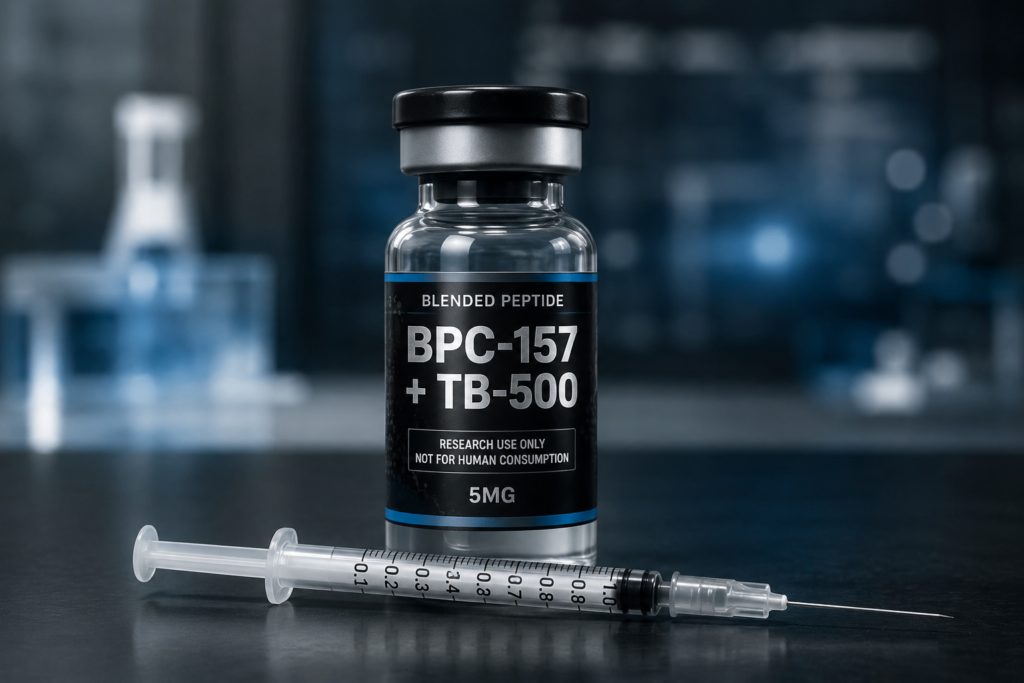
how to take bpc 157 and tb 500: What the Research Says About Use, Safety and Administration
If you are searching for how to take bpc 157 and tb 500, you will find a wide range of protocols and dosing recommendations online. However, many of these recommendations are based on anecdotal reports rather than established clinical guidelines. Bpc-157 + TB-500
BPC-157 and TB-500 are investigational peptides, and there is currently no validated human dosing regimen for the combination. The FDA states that it has limited safety information for BPC-157 and has identified no human exposure data for TB-500, meaning important safety questions remain unanswered. bpc 157 and tb 500
This guide explains what is currently known about how to take bpc 157 and tb 500, how researchers study these compounds, why online dosing protocols should be approached cautiously, and what to consider when evaluating information about peptide administration. bpc-157 tb-500 blend dosage calculator
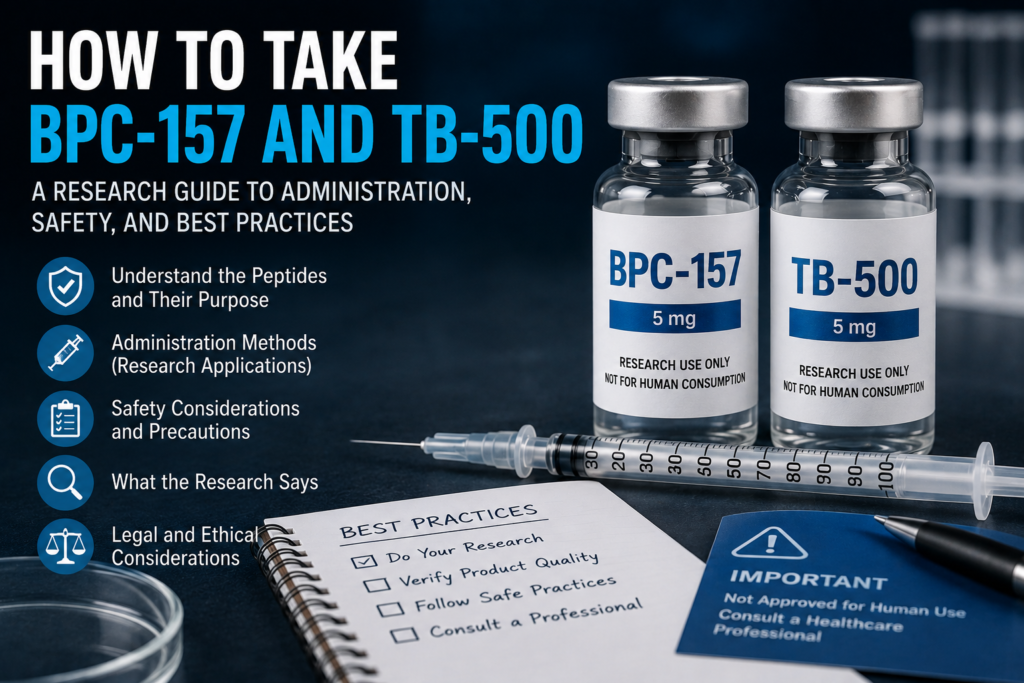
What Are BPC-157 and TB-500?
BPC-157 and TB-500 are two different experimental peptides that are frequently discussed together in peptide research.
BPC-157
BPC-157 is a synthetic 15-amino-acid peptide that has been investigated extensively in preclinical models.
Research has explored BPC-157 in areas including:
- Tissue biology
- Vascular signaling
- Gastrointestinal biology
- Tendon and ligament research
- Cellular signaling
- Inflammatory pathways
A 2025 systematic review identified 36 studies involving BPC-157, but 35 were preclinical and only one was clinical. The authors concluded that human safety data remain limited. how to take bpc 157 and tb 500 Tesofensine Peptide
TB-500
TB-500 is generally described as a research peptide related to the thymosin beta-4 fragment LKKTETQ.
Thymosin beta-4-related research has investigated biological processes including:
- Cell migration
- Actin dynamics
- Tissue remodeling
- Angiogenesis-related pathways
- Cellular signaling
how to take bpc 157 and tb 500 The FDA notes that it has not identified clinical studies or human exposure data for TB-500 and therefore considers potential human safety risks unknown. Tesamorelin + Ipamorelin
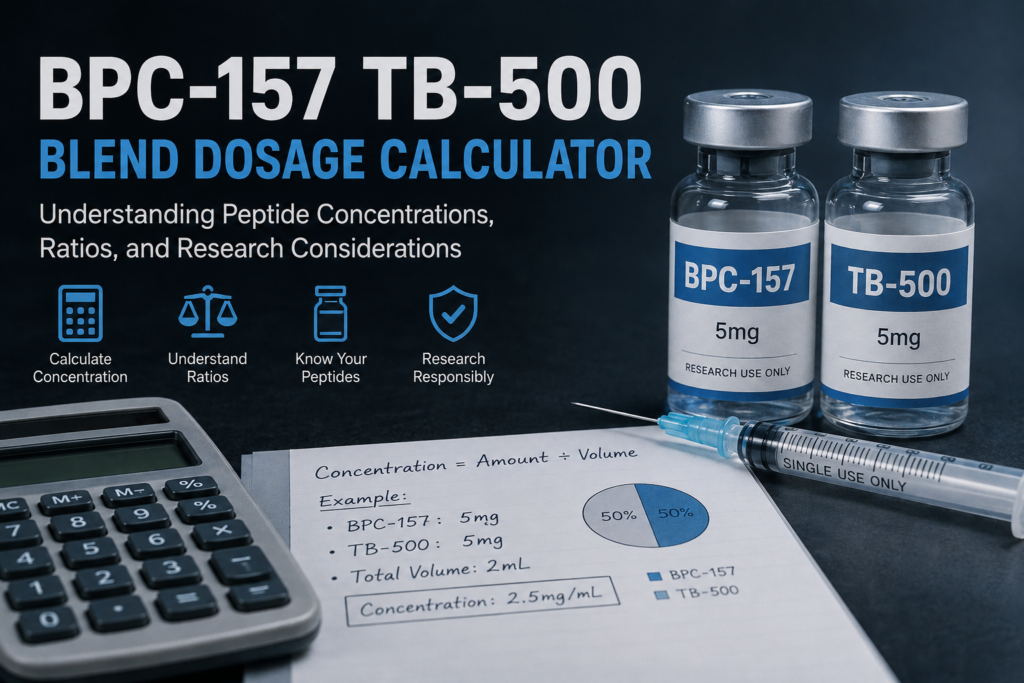
Can You Take BPC-157 and TB-500 Together?
BPC-157 and TB-500 are often marketed or discussed as a combination, but there is not enough clinical evidence to establish a standardized BPC-157 + TB-500 treatment protocol.
The FDA has identified reports involving products containing both BPC-157 and TB-500, but those reports do not establish efficacy or a safe dosing regimen. One FDA-reviewed adverse-event report involved a product containing both compounds and described reproducible skin and gum pigmentation changes after exposure and rechallenge.
Therefore, how to take bpc 157 and tb 500 combining the compounds should not be assumed to be safer or more effective simply because they are frequently discussed together online. what does glow peptide do
How Are BPC-157 and TB-500 Studied?
In research settings, administration depends on the experimental design, formulation, species, route, and research objective.
This is important because a dose or route used in an animal experiment cannot automatically be converted into a human protocol.
Researchers may evaluate factors such as:
- Peptide concentration
- Formulation
- Route of administration
- Pharmacokinetics
- Tissue distribution
- Biological response
- Adverse effects
- Duration of exposure
A 2026 review of BPC-157 noted that there is currently no validated dosing regimen and that its pharmaceutical development remains incomplete. how to take bpc 157 and tb 500 Glow Blend (TB 10mg + BPC 10mg + GHK 50mg)
What About BPC-157 and TB-500 Injection Protocols?
A large amount of online content discusses injectable BPC-157 and TB-500 protocols.
However, providing a specific injection schedule or individualized dose would go beyond what current clinical evidence can support.
Injectable experimental peptides also introduce additional concerns involving:
- Sterility
- Contamination
- Peptide purity
- Incorrect concentration
- Administration errors
- Immune reactions
- Unknown long-term effects
The FDA has specifically noted that compounded BPC-157 may present concerns involving immunogenicity and peptide-related impurities. For TB-500, the FDA has raised similar concerns and states that important human safety information is lacking. how to take bpc 157 and tb 500 Sermorelin
Why Online BPC-157 and TB-500 Dosages Vary
One reason people encounter conflicting information about how to take BPC-157 and TB-500 is that online protocols can originate from very different sources.
For example, information may come from:
- Animal studies
- Small human studies
- Laboratory experiments
- Anecdotal user reports
- Online peptide communities
- Marketing websites
- Clinics
- Research publications
These sources do not have equivalent evidentiary value.
how to take bpc 157 and tb 500 A dose mentioned in an online forum should not be considered equivalent to a dose established through a controlled clinical trial.
Is There a Standard BPC-157 Dose?
There is currently no FDA-approved standard human dose for BPC-157.
A recent review concluded that BPC-157 has no validated dosing regimen and that available clinical evidence consists of very small studies.
Consequently, online claims presenting one particular amount as the “standard BPC-157 dose” can create a misleading impression of certainty.
Is There a Standard TB-500 Dose?
There is also no established FDA-approved human dose for TB-500.
The FDA states that it has not identified clinical studies or human exposure data for TB-500 through any route of administration and therefore cannot adequately characterize its potential safety risks in humans.
This makes standardized human dosing particularly difficult to justify. how to take bpc 157 and tb 500 What Does Ipamorelin Do?
What Does BPC-157 Research Actually Show?
BPC-157 has generated substantial interest because of positive findings in animal and laboratory research.
A systematic review of musculoskeletal research found evidence of beneficial effects in preclinical models involving muscle, tendon, ligament, and bone injuries. However, the review also emphasized the absence of adequate clinical safety data.
A separate 2026 review similarly concluded that BPC-157 remains investigational and that well-designed clinical trials are needed.
This distinction is important:
how to take bpc 157 and tb 500 Preclinical evidence can demonstrate biological potential without establishing an effective or safe human treatment.
What Does TB-500 Research Show?
TB-500 is associated with research into thymosin beta-4-related biological pathways.
Research involving thymosin beta-4 has explored cellular migration, actin regulation, vascular processes, and tissue-related biology.
However, the evidence specifically establishing TB-500 as a safe and effective human therapy is inadequate.
The FDA’s current assessment states that potential safety risks of TB-500 in humans are unknown because human exposure data and clinical studies have not been identified. how to take bpc 157 and tb 500
BPC-157 + TB-500: Are They Proven to Speed Recovery?
The compounds are frequently promoted online for recovery from injuries and physical activity.
There is scientific interest in their potential biological effects, particularly based on preclinical research. However, clinical evidence is not strong enough to establish BPC-157 + TB-500 as a proven treatment for muscle, tendon, ligament, or other injuries.
A recent review of injectable peptide therapies concluded that clinical adoption has outpaced high-quality evidence for several unapproved peptides, including BPC-157 and TB-500. how to take bpc 157 and tb 500 Thymosin Beta-4
Important Safety Considerations
Anyone researching how to take BPC-157 and TB-500 should understand that unknown safety is itself an important risk factor.
Potential concerns include:
Limited Human Data
There are not enough high-quality clinical trials to establish long-term safety.
Product Quality
Unregulated peptide products may have problems involving identity, purity, concentration, sterility, or contamination.
Immunogenicity
The FDA has specifically identified potential immunogenicity concerns for both BPC-157 and TB-500-related substances.
Adverse Reactions
The FDA has reviewed adverse-event reports involving BPC-157 and products containing BPC-157 and TB-500. These reports cannot establish causality in every case, but they reinforce the need for caution.
Regulatory Status
Neither BPC-157 nor TB-500 should be represented as an FDA-approved treatment for injuries, inflammation, recovery, or other medical conditions. how to take bpc 157 and tb 500 TB-500
BPC-157 and TB-500: Research vs. Medical Use
| Question | Current evidence |
|---|---|
| Is BPC-157 FDA approved? | No |
| Is TB-500 FDA approved? | No |
| Is there a standardized human BPC-157 dose? | No validated regimen |
| Is there a standardized human TB-500 dose? | No validated regimen |
| Are both compounds extensively studied in animals? | BPC-157: yes; TB-500: substantially less human evidence |
| Is the combination clinically established? | No |
| Are long-term human safety data adequate? | No |