
What Are Peptides? A Beginner’s Guide to Peptide Science
what are peptides and how do they work? Peptides are gaining attention in scientific research, skincare, fitness, and discussions about human health. From collagen-supporting skincare ingredients to molecules studied for their roles in metabolism, immune function, and cellular communication, peptides have become an important topic in modern biology. GHK-Cu Peptide Guide
But what are peptides and how do they work, and why are researchers so interested in them? bpc 157 benefits
Peptides are short chains of amino acids linked together by chemical bonds. Amino acids are the building blocks of proteins, and peptides play important roles in biological processes throughout the body. Depending on their structure and function, they can act as signaling molecules, influence cellular activity, or contribute to the formation of larger proteins. what are peptides and how do they work aod-9604 peptide
In this beginner’s guide, you’ll learn what are peptides and how do they work, the different types of peptides, their potential applications, and the key safety considerations to understand before exploring the subject further. what are peptides and how do they work thymosin alpha-1
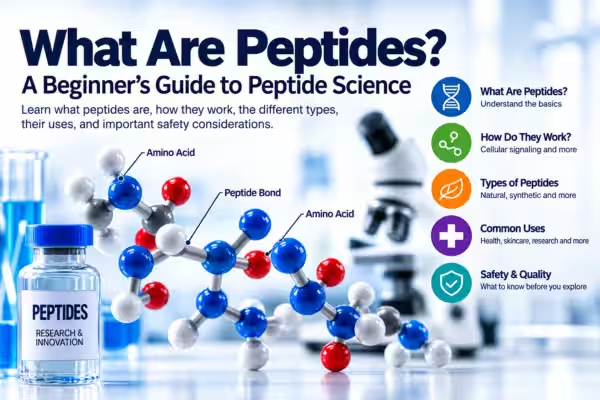
What Are Peptides?
Peptides are molecules made up of two or more amino acids connected through bonds called peptide bonds. Amino acids are organic compounds that help form proteins and support many biological functions.
When amino acids link together, they create a chain. Shorter chains are generally called peptides, while longer chains that fold into complex structures are commonly described as proteins. However, there is no single universally accepted length that separates every peptide from every protein.
Peptides occur naturally in the human body, animals, plants, and microorganisms. Scientists can also synthesize peptides in laboratories to investigate their biological properties and potential applications.
what are peptides and how do they work, For example, insulin is a peptide-based hormone that helps regulate blood glucose. Collagen-derived peptides are studied and used in various consumer products, while other peptides are investigated for their potential roles in inflammation, tissue repair, and cellular signaling.
The important distinction is that not all peptides perform the same function. Their biological activity depends on their amino acid sequence, three-dimensional structure, stability, and interactions with cells or other molecules. tirzepatide
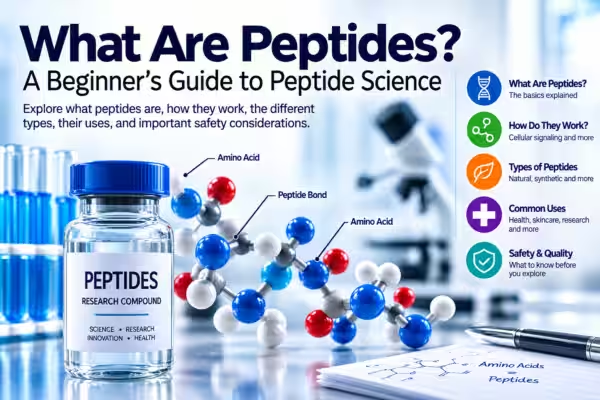
How Do Peptides Work in the Body?
Peptides participate in biological processes by interacting with cells, receptors, enzymes, and other molecules. Their effects depend on the specific peptide and the biological environment in which it operates.
Here are several important ways peptides can function.
1. Cellular Signaling
Some peptides act as signaling molecules that help cells communicate. They can bind to specific receptors on the surface of cells or, in some cases, interact with targets inside them.
This interaction may trigger a chain of biochemical reactions that changes how a cell behaves. what are peptides and how do they work does aod 9604 work
what are peptides and how do they work, certain peptide hormones help regulate metabolism, appetite, stress responses, and blood sugar levels. GHK-CU 100mg
2. Hormone Regulation
Several hormones are peptides or proteins made from amino acid chains. These molecules help coordinate physiological processes throughout the body.
Insulin is a well-known example. It helps cells take up glucose and supports normal blood sugar regulation.
Other peptide hormones influence processes such as growth, reproductive function, and the body’s response to stress. what are peptides and how do they work
3. Immune System Activity
Certain naturally occurring peptides contribute to immune defense. Antimicrobial peptides, for instance, are part of the body’s defenses against some bacteria, fungi, and other microorganisms.
what are peptides and how do they work, Researchers are studying these molecules to better understand immune responses and investigate possible applications in antimicrobial research.
4. Tissue Structure and Maintenance
Some peptides are involved in processes related to tissue maintenance and the production of structural proteins.
Collagen, a major structural protein found in skin, tendons, bones, and other connective tissues, can be broken down into smaller peptide fragments. Researchers have investigated whether certain collagen peptides may influence processes associated with connective tissue and skin health.
what are peptides and how do they work, the effects vary depending on the peptide, its formulation, and the evidence supporting a particular application.
5. Enzyme Activity and Metabolism
Some peptides influence enzymes or biological pathways associated with metabolism. Scientists investigate these interactions to understand how the body processes nutrients, stores energy, and regulates other physiological functions.
The effects of one peptide cannot automatically be applied to another, even when their structures are similar. what are peptides and how do they work humanin peptide
What Is the Difference Between Peptides and Proteins?
Peptides and proteins are closely related because both are made from amino acids. The main differences involve chain length, structure, and biological complexity.
| Feature | Peptides | Proteins |
|---|---|---|
| Composition | Shorter amino acid chains, generally | Longer amino acid chains, often with complex structures |
| Structure | May be relatively simple or structurally complex | Often fold into defined three-dimensional structures |
| Biological roles | Signaling, regulation, and other functions | Structural support, transport, catalysis, signaling, and more |
| Examples | Insulin-related peptide fragments, oxytocin | Collagen, hemoglobin, antibodies |
| Production | Can occur naturally or be synthesized | Can occur naturally or be produced using biotechnology |
These categories overlap. Some peptides have complex structures, and certain small proteins may contain relatively few amino acids. Therefore, chain length alone does not explain every difference between peptides and proteins. what are peptides and how do they work testagen peptide
What Are the Different Types of Peptides?
Peptides can be classified according to their structure, biological role, or how they are produced.
what are peptides and how do they work, Understanding these categories makes it easier to navigate peptide science and distinguish between established biological functions and emerging research.
1. Naturally Occurring Peptides
Naturally occurring peptides are produced by living organisms. They may be involved in hormonal signaling, immune defense, digestion, or other biological activities.
Examples include oxytocin, which participates in childbirth and lactation, and certain antimicrobial peptides that help protect the body against microorganisms.
what are peptides and how do they work, Scientists study naturally occurring peptides to understand their functions and investigate whether they can inform the development of new medicines.
2. Synthetic Peptides
Synthetic peptides are created using laboratory techniques that assemble amino acids into specific sequences.
Researchers can produce these molecules to investigate how a particular sequence interacts with biological targets. Synthetic peptides are also used in certain diagnostic methods, laboratory experiments, and pharmaceutical development. what are peptides and how do they work L-carnitine
what are peptides and how do they work, Their quality and intended use depend on factors such as purity, sequence accuracy, stability, and manufacturing controls.
3. Signal Peptides
In molecular biology, the term signal peptide often refers to a short amino acid sequence that directs a newly produced protein toward a particular cellular destination, such as a membrane or a secretion pathway.
The term is also used more broadly in some research and cosmetic contexts to describe peptides investigated for their ability to influence cellular signaling.
These uses are related to peptide biology but are not interchangeable. The precise meaning depends on the scientific context. what are peptides and how do they work
4. Collagen Peptides
Collagen peptides are smaller fragments produced by breaking down collagen through processes such as enzymatic hydrolysis.
They are widely used in nutritional supplements and have been studied for potential effects on skin hydration, skin elasticity, and certain joint-related outcomes.
Research findings depend on the specific formulation, dosage, study design, and population. Results from one collagen product should not automatically be generalized to every peptide product.
5. Research Peptides
Research peptides are peptide compounds supplied or studied primarily for scientific investigation.
They may be used to examine receptor interactions, cellular pathways, molecular structure, or potential therapeutic mechanisms.
Some research peptides are being investigated for possible medical applications, while others have limited evidence or remain at an early experimental stage.
A peptide described as a research compound is not automatically an approved medicine or proven treatment. Its legal status, permitted uses, safety profile, and evidence base must be assessed individually. what are peptides and how do they work igf-1 lr3 before and after
What Are Peptides Used For?
Peptides have applications across several areas of science, medicine, biotechnology, and consumer products.
Medical and Pharmaceutical Research
Peptides are important in drug discovery because their structures can be designed or selected to interact with particular biological targets.
Some approved medicines are peptide-based, including insulin products and certain treatments that act on hormone receptors.
Researchers continue to investigate peptides for applications involving metabolic disorders, cancer, immune function, and other medical conditions.
However, a peptide’s potential mechanism is not proof that it is safe or effective as a treatment. Clinical studies and appropriate regulatory review are necessary to establish whether a particular product should be used medically. what are peptides and how do they work
Skincare and Cosmetic Formulations
Peptides are used in some skincare products because certain sequences may interact with biological processes associated with skin appearance and maintenance.
Cosmetic formulations may include peptides marketed for improving the appearance of fine lines, supporting skin hydration, or helping skin look firmer.
Evidence varies considerably among ingredients. Product formulation, concentration, skin penetration, and study quality all influence how confidently results can be interpreted. what are peptides and how do they work
Cosmetic peptides should not be assumed to produce the same effects as injectable or prescription peptide medicines.
Nutrition and Sports Science
Collagen peptides are commonly found in nutritional products and have been investigated for their possible role in supporting skin and connective tissue health.
Other peptides are studied in exercise physiology and metabolism research.
It is important to distinguish nutritional products from experimental compounds promoted for muscle growth, fat loss, or performance enhancement. Marketing claims may exceed the available evidence, and some unapproved substances can pose substantial health risks.
Biotechnology and Laboratory Research
Peptides are useful tools for studying biological systems. Scientists can use them to investigate protein interactions, identify potential drug targets, develop laboratory assays, and explore how cells respond to specific molecular signals. what are peptides and how do they work
Their relatively precise sequences make peptides valuable in experiments where researchers want to study a particular interaction.
What Are Some Common Peptides Studied in Research?
Several well-known peptides illustrate the diversity of this field.
| Peptide | What it is studied for or known for |
|---|---|
| Insulin | Regulation of blood glucose and glucose metabolism |
| Oxytocin | Social behavior, childbirth, and lactation |
| GLP-1-related medicines | Blood glucose regulation and, for certain approved products, weight management |
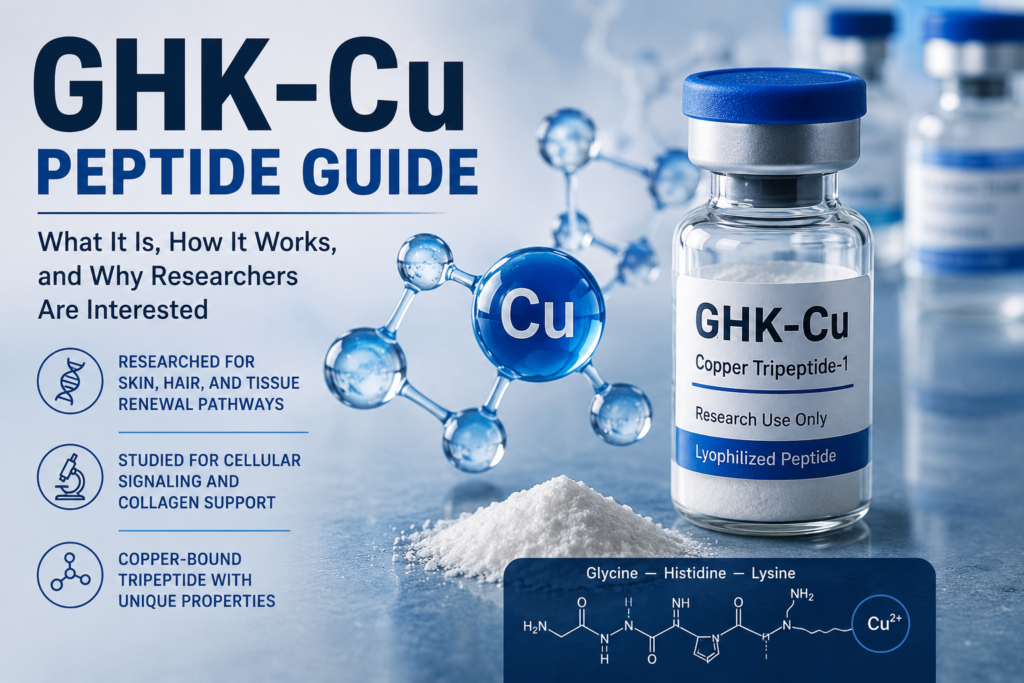
| GHK-Cu | Copper-binding peptide investigated in skin biology and wound-healing research |
| BPC-157 | Experimental research into tissue-related biological processes; robust human evidence remains limited |
| Thymosin alpha-1 | Immune-system activity and potential therapeutic applications |
| Collagen peptides | Potential effects on skin and selected joint-related outcomes |
These examples are not equivalent in their evidence, regulatory status, or intended uses.
Insulin and certain GLP-1-related medicines have established medical applications. By contrast, compounds such as BPC-157 remain investigational, and claims about their benefits in humans should be treated cautiously. what are peptides and how do they work How to Store GHK-Cu Peptides
what are peptides and how do they work, GHK-Cu has attracted interest in cosmetic and laboratory research, but findings from cell or animal studies do not establish the effectiveness or safety of injectable GHK-Cu products in humans. what are peptides and how do they work how much ghk-cu should i inject daily
How Are Peptides Made?
Peptides can be produced naturally by cells or manufactured through laboratory processes.
Two common approaches are solid-phase peptide synthesis and recombinant biotechnology.
Solid-Phase Peptide Synthesis
Solid-phase peptide synthesis is a laboratory technique that builds a peptide one amino acid at a time while the growing chain remains attached to a solid support.
The process generally involves:
- Selecting the required amino acid sequence.
- Attaching the first amino acid to a solid support.
- Adding amino acids in a controlled order.
- Removing protecting groups and completing the synthesis.
- Cleaving the peptide from the support and purifying it.
- Testing the resulting material for identity, purity, and other quality attributes.
This method allows researchers to produce many custom peptide sequences for laboratory experiments and other applications.
Recombinant Production
Recombinant production uses genetically engineered cells or biological systems to produce a desired peptide or protein.
This approach can be useful for molecules that are difficult to manufacture efficiently through chemical synthesis, although suitability depends on the molecule’s size, structure, and processing requirements.
For pharmaceutical products, manufacturing controls and quality testing are essential to ensure consistency and reduce contamination risks.
What Does Peptide Purity Mean?
Peptide purity describes how much of a sample consists of the intended peptide relative to other substances detected by a particular analytical method.
It is an important quality attribute, especially for compounds used in laboratory or pharmaceutical settings.
However, a high purity percentage does not establish that a product is safe for human use.
Quality assessment may also involve:
- Identity testing: Confirms whether the intended peptide is present.
- Purity testing: Measures the intended compound relative to detected impurities.
- Contaminant testing: Evaluates relevant chemical or biological contaminants.
- Stability testing: Examines how the peptide changes under specified storage conditions.
- Manufacturing controls: Help ensure reproducible quality between batches.
Testing requirements depend on the product and its intended application. A certificate of analysis should be interpreted alongside the analytical methods used, the laboratory’s reliability, and the applicable quality standards.
Are Peptides Safe?
Peptide safety depends on the specific molecule, how it is formulated and administered, the dose, the quality of the product, and the individual’s circumstances.
Some peptide-based medicines have undergone extensive clinical testing and regulatory review. Other peptides have only been studied in laboratory experiments or animal models.
Potential risks vary. Depending on the compound and route of administration, they may include allergic reactions, unwanted biological effects, interactions with medications, or complications related to injections.
Products obtained from unverified sources may also contain incorrect concentrations, impurities, contaminants, or a different substance from the one advertised.
Are Injectable Peptides Safe?
Injectable peptides require particular caution because they bypass the skin’s normal protective barrier.
Potential concerns include injection-site reactions, infection, contamination, dosing errors, and systemic side effects. Sterility and appropriate manufacturing controls are critical.
A product marketed online as a research peptide should not be assumed to be suitable for injection. Research-use labeling does not establish that a compound is safe for human administration.
Before considering a peptide-based medicine, consult a qualified healthcare professional who can assess the evidence, potential risks, and whether an approved treatment is appropriate. what are peptides and how do they work where to buy dihexa
Are All Peptides FDA-Approved?
No. In the United States, some peptide-based medicines are approved by the Food and Drug Administration (FDA), while many other peptides are not approved for human medical use.
Regulatory status varies by compound, formulation, intended use, and country. A peptide’s appearance in a scientific paper or its availability from an online seller does not mean it has been approved as a medicine.
Consumers should verify the status of a specific product with the relevant national regulatory authority rather than relying on broad claims about peptides as a category. what are peptides and how do they work
What Is the Difference Between Oral, Topical, and Injectable Peptides?
The route of administration can affect how a peptide behaves in the body.
| Route | General characteristics | Important considerations |
|---|---|---|
| Oral | Taken by mouth | Many peptides can be broken down during digestion or have limited absorption; specialized formulations may change this |
| Topical | Applied to the skin | Penetration depends on peptide size, formulation, skin condition, and other factors |
| Injectable | Administered into or under the skin, muscle, or another specified site | May bypass digestive breakdown but introduces risks related to administration, formulation, and systemic exposure |
Not every peptide is suitable for every route.
A peptide designed for a topical cosmetic product should not be assumed to work when injected. Similarly, the effectiveness of an oral peptide depends on its particular formulation and supporting clinical evidence.
The route of administration should be determined by the approved product instructions or an appropriate research protocol, not by general assumptions about peptide science. what are peptides and how do they work semaglutide
How Long Do Peptides Take to Work?
There is no universal timeline for peptide effects.
Some peptide hormones can trigger measurable physiological changes relatively quickly. Other peptide-based treatments may require ongoing use before their clinical effects can be evaluated. Cosmetic products may require consistent application over weeks or longer, depending on the formulation and the outcome being assessed.
Several factors influence the timeline:
- The specific peptide and its mechanism of action.
- The amount that reaches its biological target.
- The formulation and route of administration.
- The outcome being measured.
- The individual’s physiology and health circumstances.
- The quality and duration of the supporting clinical studies.
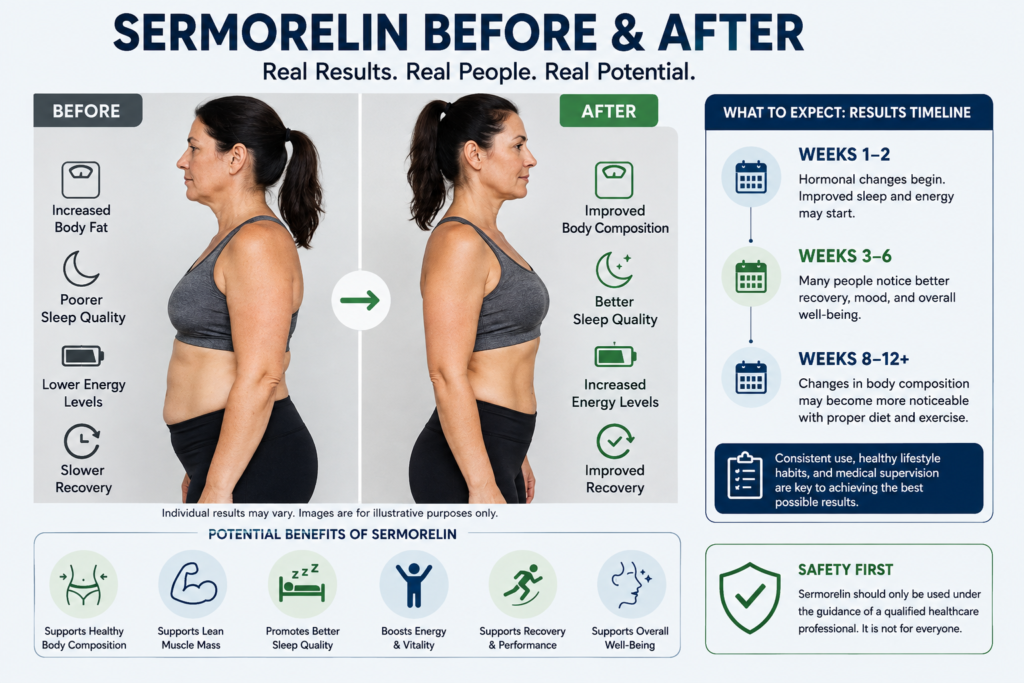
what are peptides and how do they work, Claims that a peptide produces immediate, dramatic, or guaranteed results should be evaluated carefully. Reliable evidence is more useful than testimonials or unsupported before-and-after claims. what are peptides and how do they work Tesofensine Peptide
How to Evaluate Peptide Research
If you’re new to peptide science, learning how to assess scientific evidence can help you separate promising research from unsupported marketing.
1. Look at the Type of Study
Research can involve test tubes, isolated cells, animals, or human participants.
Laboratory and animal studies can help scientists understand biological mechanisms, but their findings may not translate directly into human benefits.
Human clinical trials provide more direct evidence about effects and risks in people.
2. Check the Study Size and Design
A small, uncontrolled study may suggest a possible effect but cannot always establish that the peptide caused it.
Randomized controlled trials, suitable comparison groups, transparent methods, and independent replication can strengthen confidence in a finding.
3. Distinguish Mechanisms From Outcomes
A study may show that a peptide interacts with a receptor or influences a cellular pathway. That does not automatically demonstrate an improvement in a person’s health.
For example, evidence that a compound influences a marker associated with wound healing does not establish that it reliably heals injuries in humans.
4. Look for Safety Data
Effectiveness is only one part of the assessment. Researchers must also examine adverse effects, dose-related risks, interactions, and the consequences of longer-term exposure.
Limited safety information should not be interpreted as proof that a compound is safe. what are peptides and how do they work
5. Check Regulatory and Medical Sources
Reliable starting points include peer-reviewed journals, clinical trial registries, government health agencies, and official medicine information.
In the United States, resources such as PubMed, ClinicalTrials.gov, and FDA drug information can help readers investigate published studies, ongoing clinical trials, and the approval status of particular medicines.
Frequently Asked Questions About what are peptides and how do they work
What are peptides in simple terms?
Peptides are short chains of amino acids connected by peptide bonds. They can act as signaling molecules, participate in biological regulation, or serve as building blocks and research tools.
Are peptides naturally found in the human body?
Yes. The human body produces many peptides that contribute to processes such as hormone signaling, immune defense, and cellular communication.
Are peptides the same as amino acids?
No. Amino acids are individual molecular building blocks, while peptides consist of multiple amino acids linked together.
Are peptides better than proteins?
Neither category is universally better. Peptides and proteins have different structures and functions. Whether a particular molecule is useful depends on its biological role and intended application.
Can peptides help with skin health?
Some peptide ingredients are studied or used in skincare formulations for potential effects on the appearance of skin. The evidence differs by ingredient and product, and not every claim has strong clinical support.
Do peptides help build muscle?
Some peptide-based hormones and medicines affect growth or metabolism, but this does not mean that all peptides improve muscle growth. Many compounds promoted for bodybuilding lack adequate human evidence or may carry significant risks.
Unapproved performance-enhancing peptides should not be assumed to be safe or effective.
Are research peptides intended for human use?
Not necessarily. Research peptides may be supplied for laboratory investigation and may not have been evaluated for human safety, effectiveness, or pharmaceutical quality.
The intended use and legal status of a particular compound must be verified independently.